
Experimental Art Video Production
Lost in
Human Robot Cooperation
Aim
Robotic Arms Study
Automatic Shooting
Create Unique Camera Lens
Enhance artistic expressions
Research Focus:
This project explores the use of a robotic arm as a creative tool for experimental filmmaking. The research focused on understanding the robotic arm’s control system, movement, and operating range, with the goal of developing automated camera movements for video production.
Through experimentation with robotic motion and camera positioning, the project investigates how technology can be used to create unconventional perspectives and repeatable visual compositions. The robotic arm becomes more than a technical tool—it serves as a way to explore new approaches to visual storytelling and content creation.
This process strengthened skills in creative research, technical experimentation, visual storytelling, and production planning, while exploring how emerging technologies can expand possibilities in digital content and visual communication.

Storytelling:
This video explores how people respond to uncertainty, pressure, and unexpected challenges through a visual narrative.
The story follows an individual struggling with emotional pressure and gradually moving from confusion and hopelessness toward resilience and hope. Repetitive actions, such as writing and crumpling pieces of paper, communicate frustration and the desire to release negative emotions. A distorted, swirling visual perspective further reflects the character’s internal state.
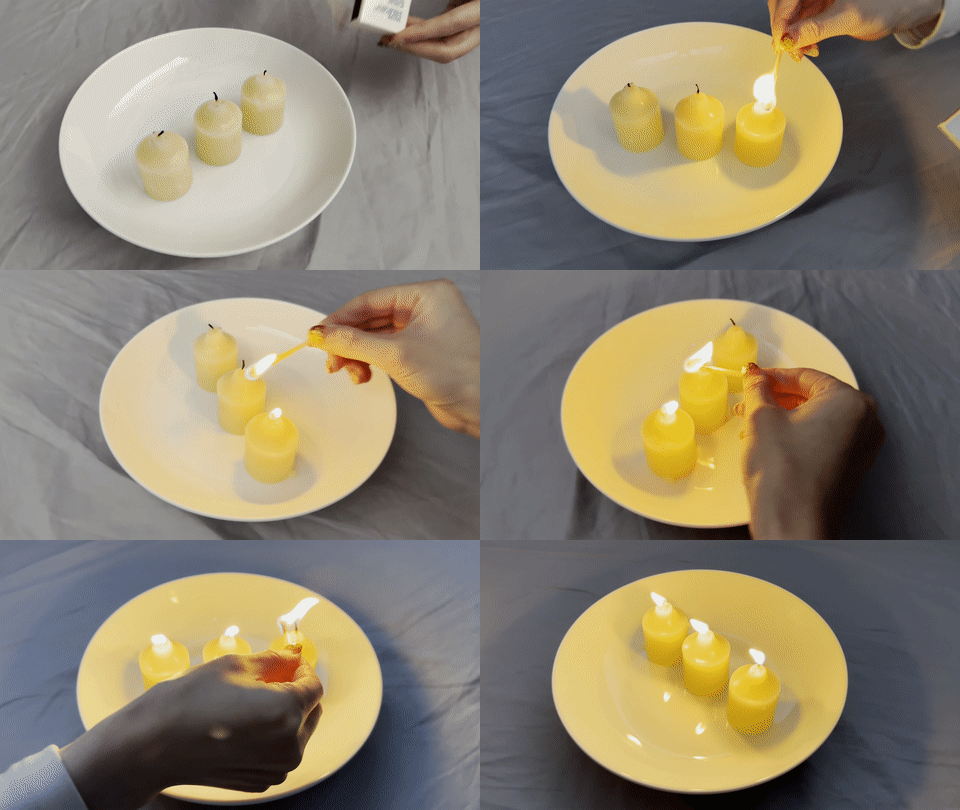
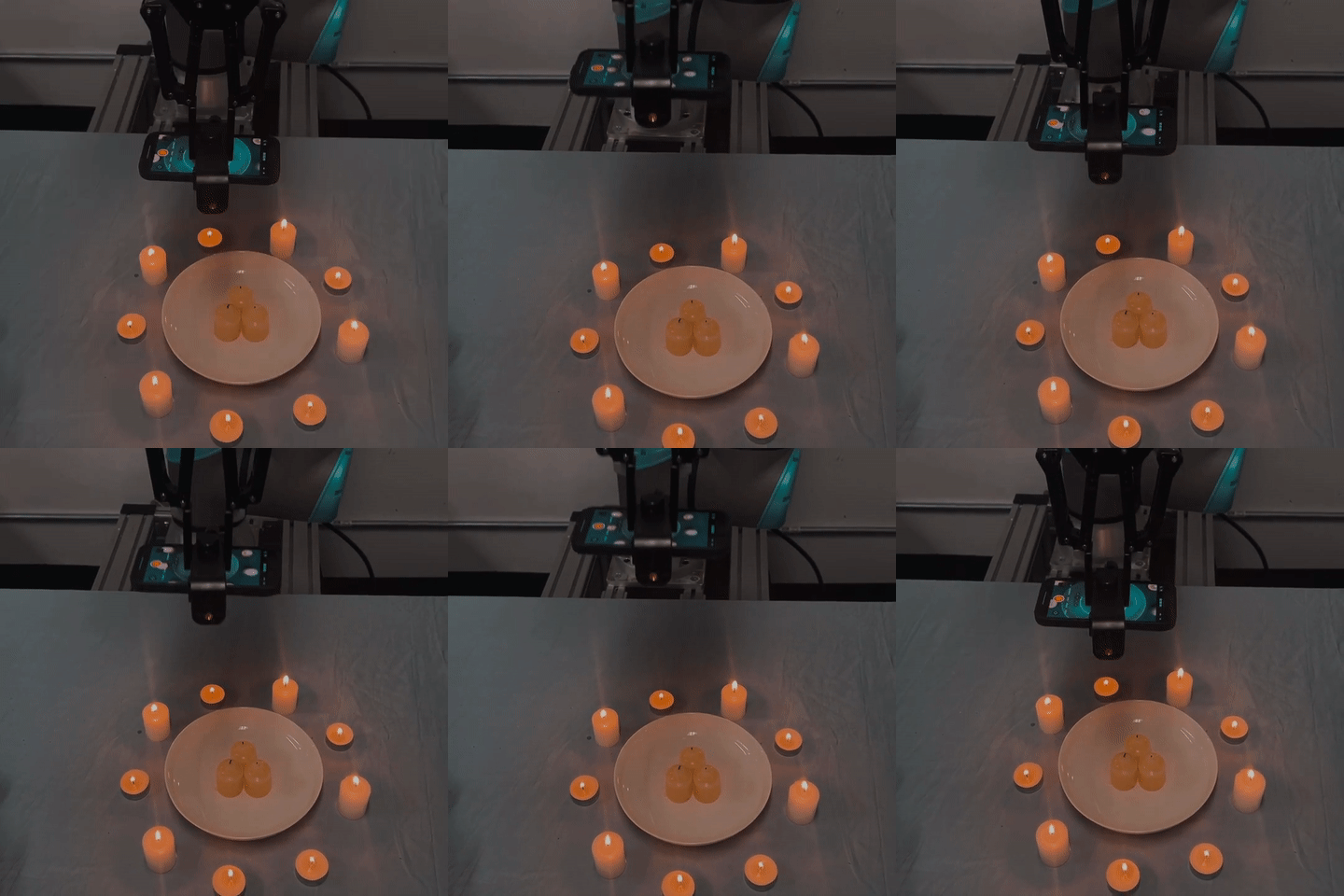
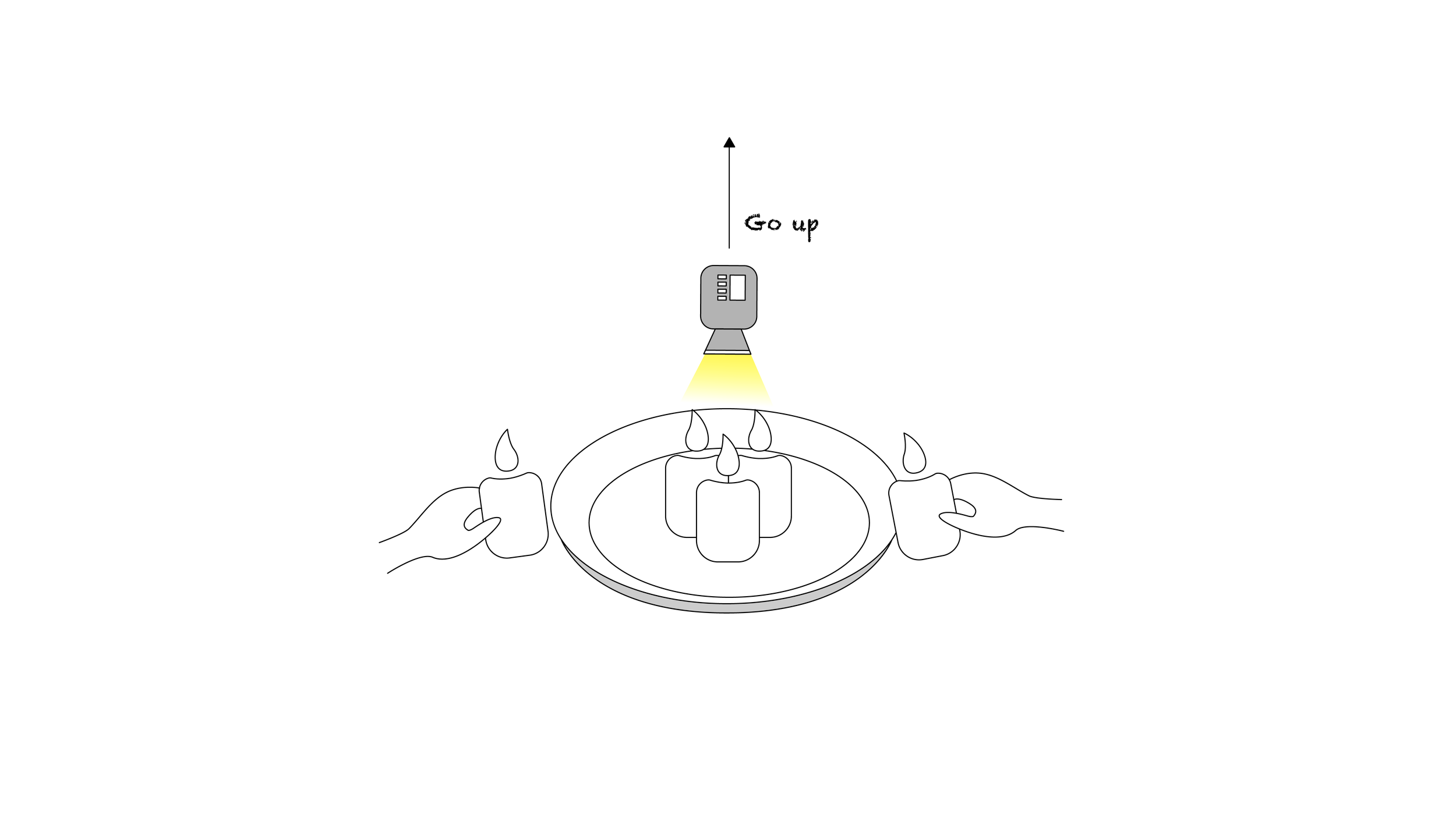
As the narrative develops, the introduction of multiple people placing candles on a plate shifts the visual language from isolation to collective support. The candles represent hope and the possibility of a better tomorrow.
The project focuses on visual storytelling, emotional communication, and audience engagement, using imagery, movement, and symbolism to communicate a message without relying heavily on dialogue. It demonstrates an approach to developing visual concepts that connect an emotional narrative with a clear and memorable message.
Creative Direction
Scene 1. Unknowns
Visual Composition & Object Arrangement
Camera Angle & Waypoint Testing
Actor Timing & Sequence Coordination
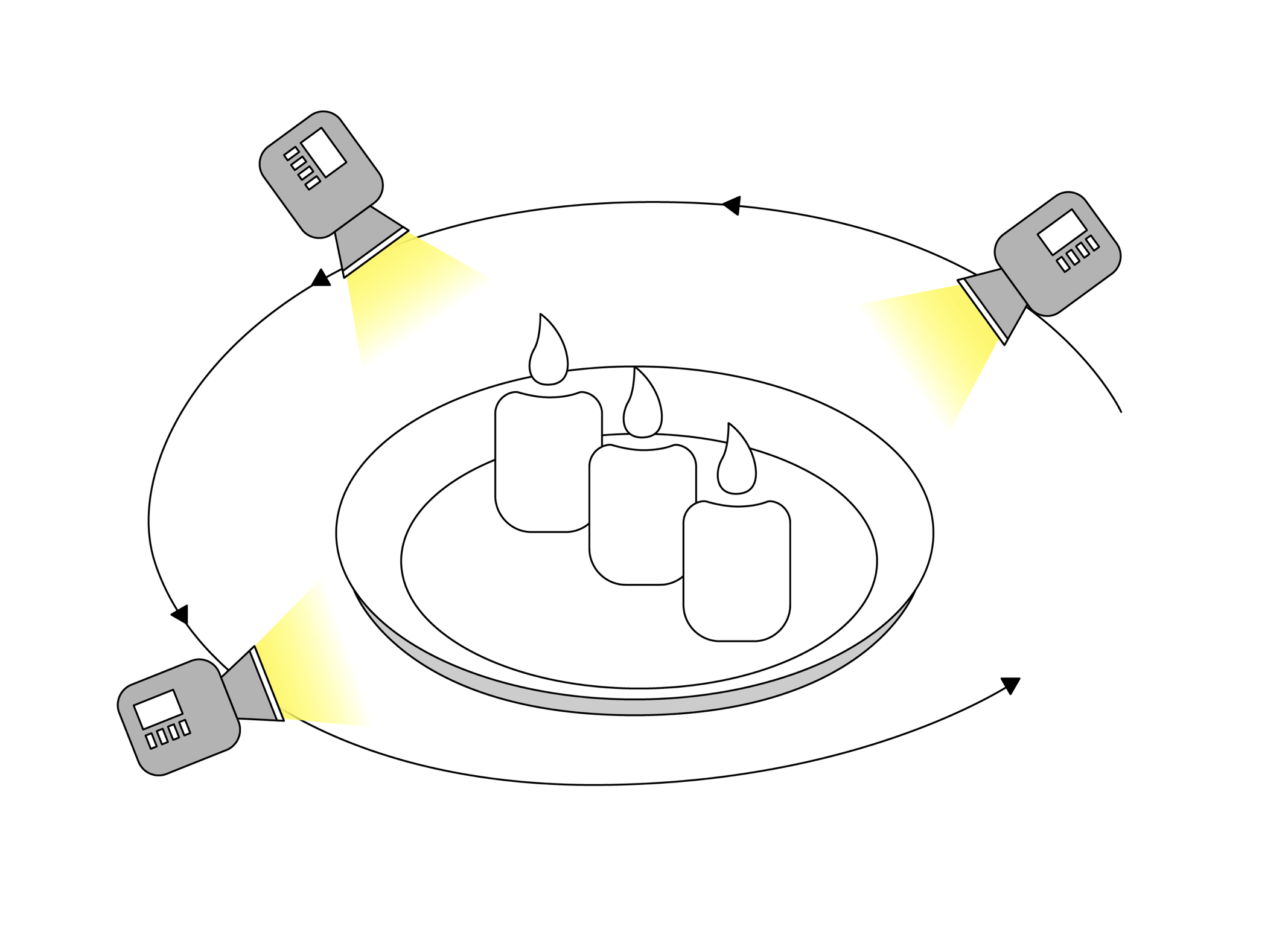
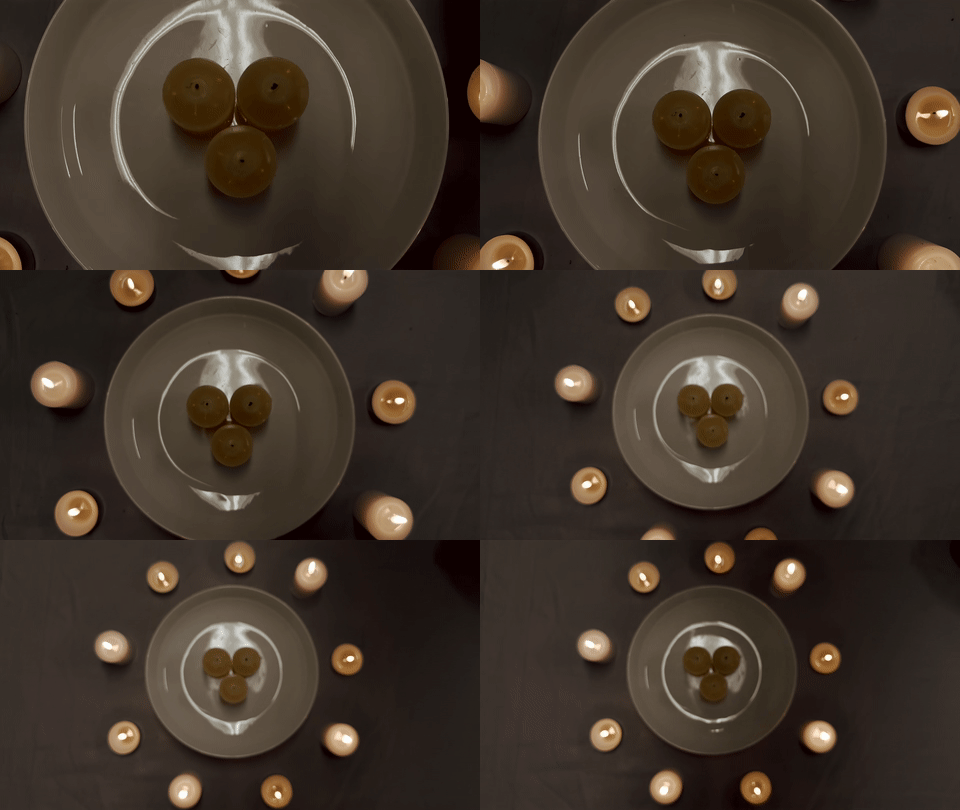
The camera moves back and forth between the empty plate and the flickering candle, reflecting the unpredictable and ever-changing nature of life.
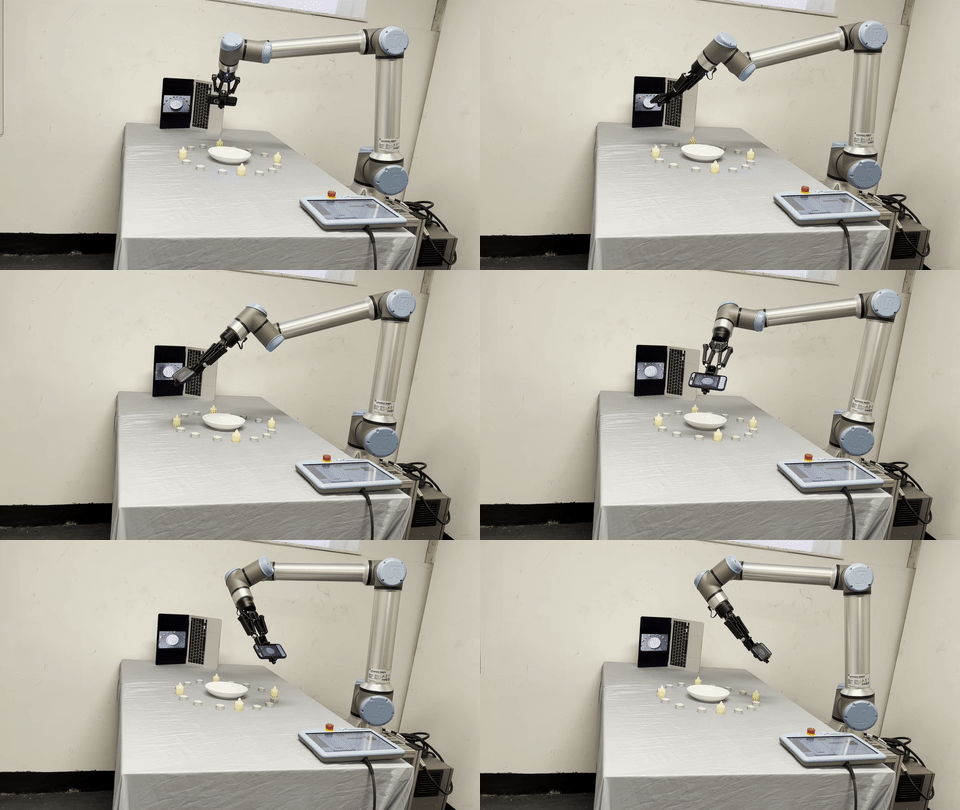
The scene explores the uncertainty and unpredictability of life through contrasting visual elements. Objects were arranged in a circular composition around a plate, creating a controlled and repeatable setup for the camera movement.
The first camera position was calibrated as a reference point, followed by programming each subsequent waypoint to create a consistent movement sequence. The camera moves back and forth between the empty plate and a flickering candle, creating a visual contrast between absence and presence.
The repetitive movement and changing imagery represent the simultaneous and unpredictable events that can unfold in everyday life, establishing the emotional tone for the rest of the narrative.
Scene 2. Release
Single-Take Shot
Precise Camera Waypoint Planning
Tracking & Panning Movement
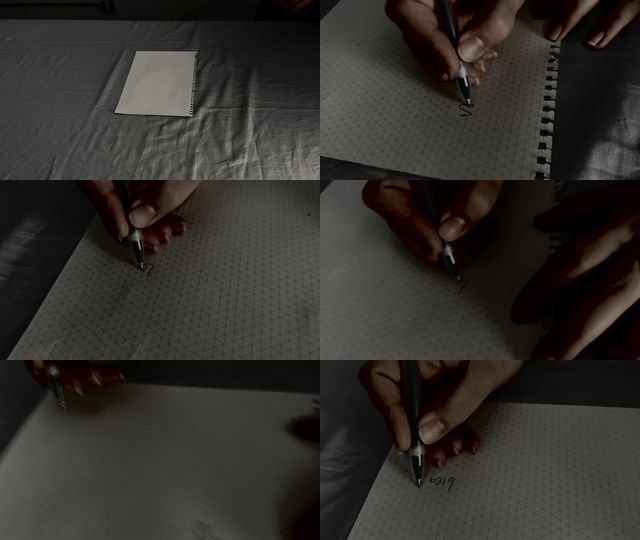
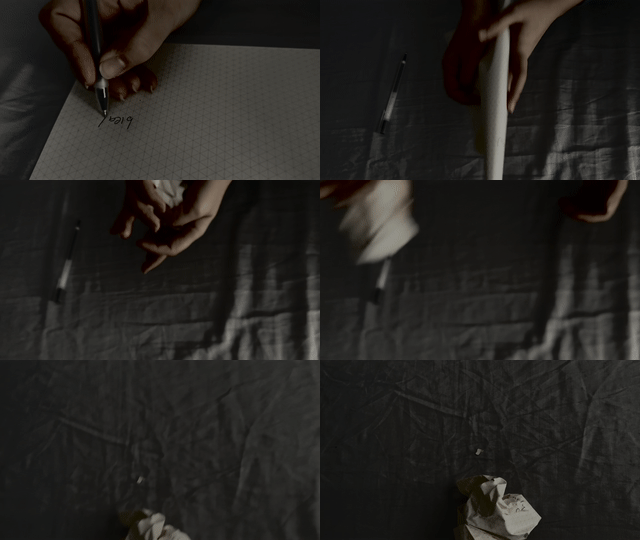
Consumed by anger, they furiously scribbled their thoughts onto the paper, the pen slashing across the page. In a cathartic gesture, they crumpled the paper, hurling it away, as if hoping to expel their frustration and find some relief.
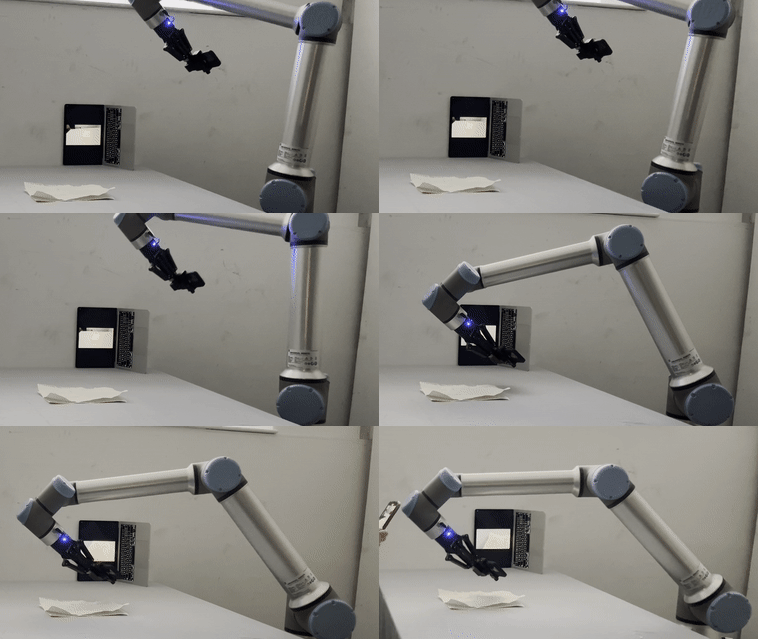
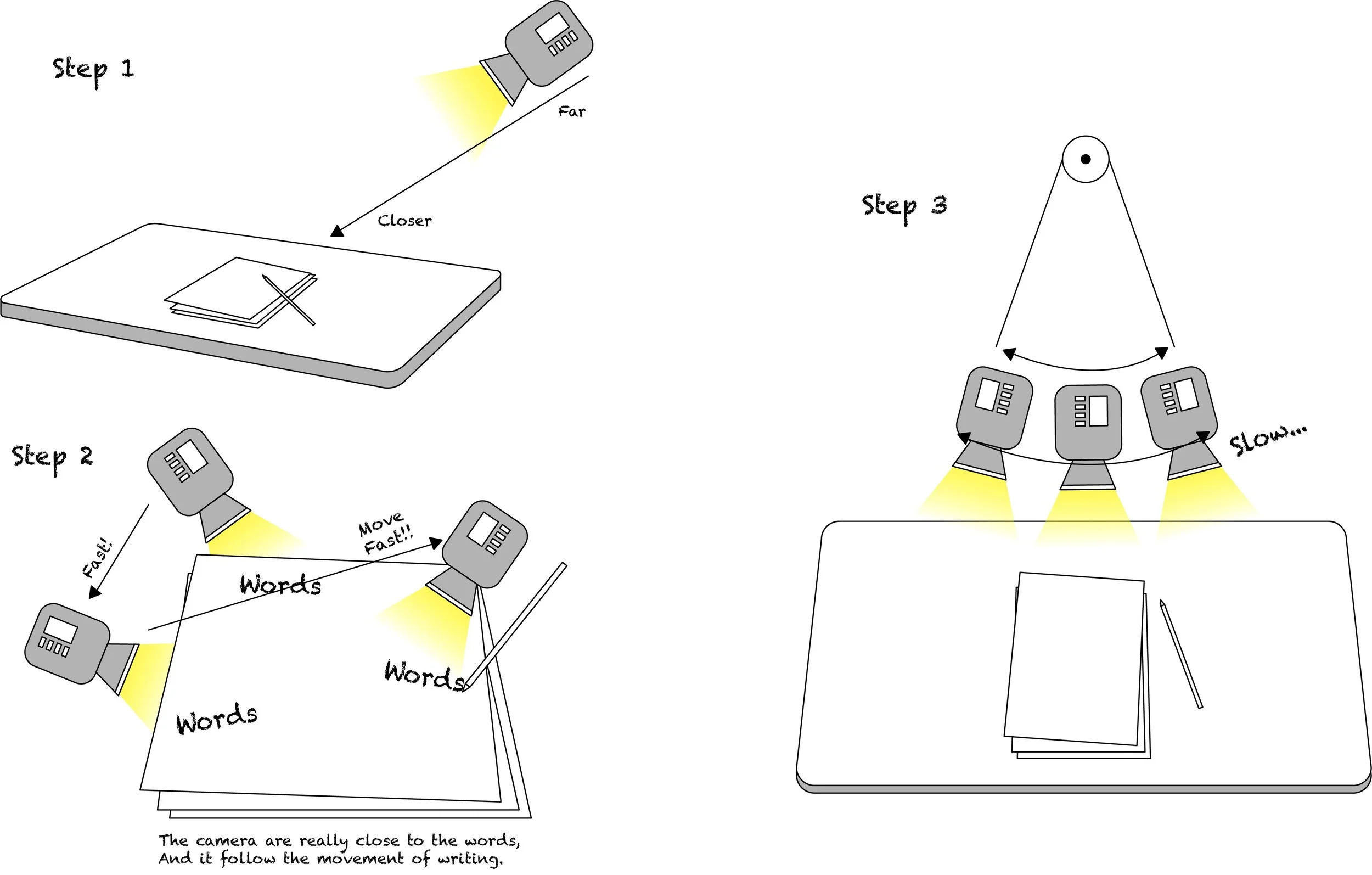
The camera executes a single-take shot, gradually moving closer to the paper. Tracking follows the movement of the writing, while panning captures the motion of the paper being thrown away.
Compared with traditional handheld filming, the robotic arm allows for smoother and more precise positioning, making complex camera movements easier to execute and repeat.
Scene 3. Confused
Maya Programming
TouchDesigner Visual Design
Projection Design
Camera Movement & Motion Design
Dynamic Close-Up & Rotation
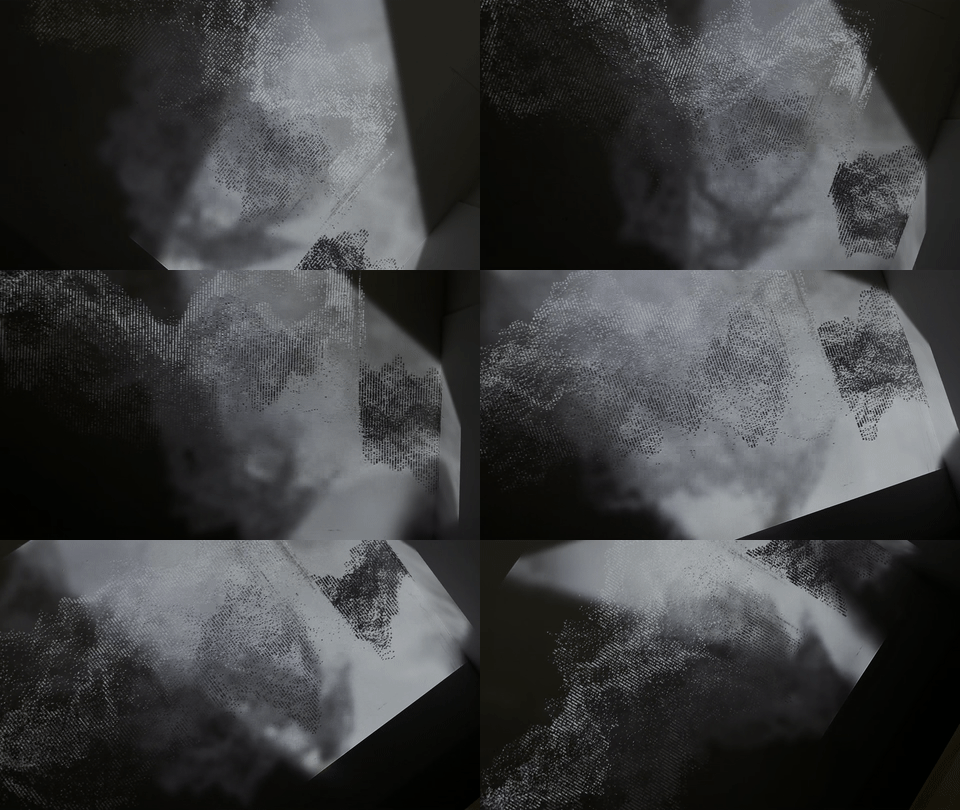
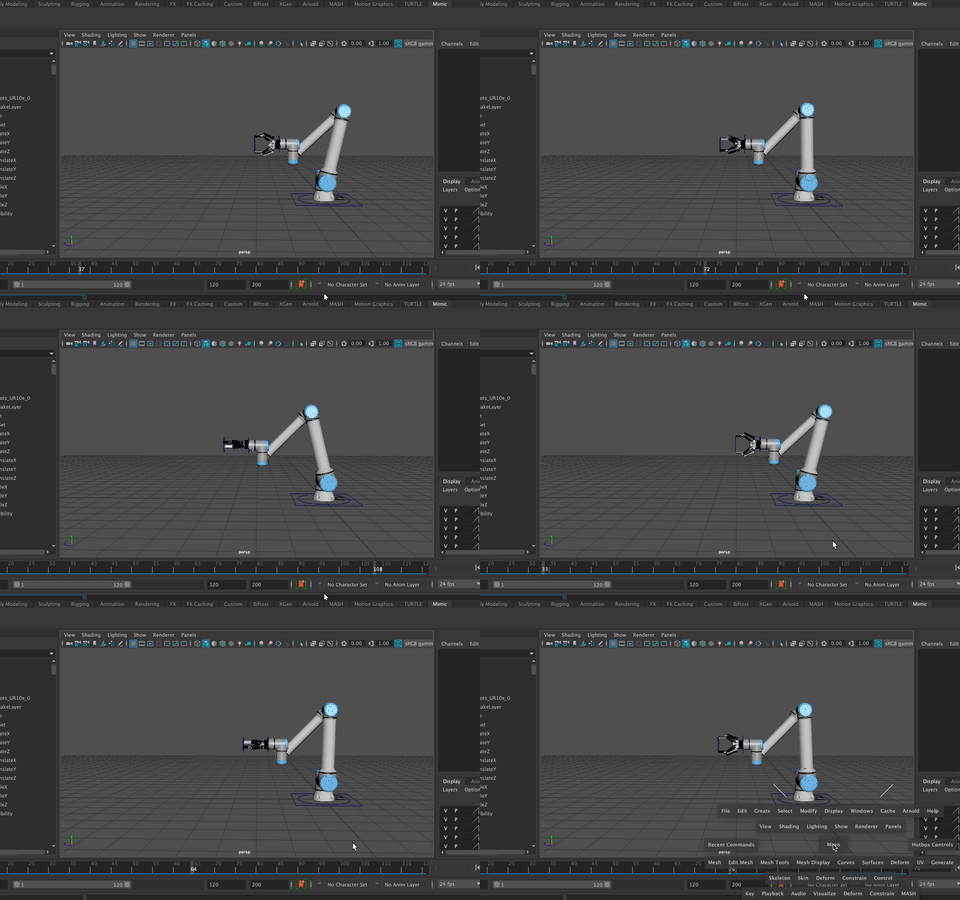
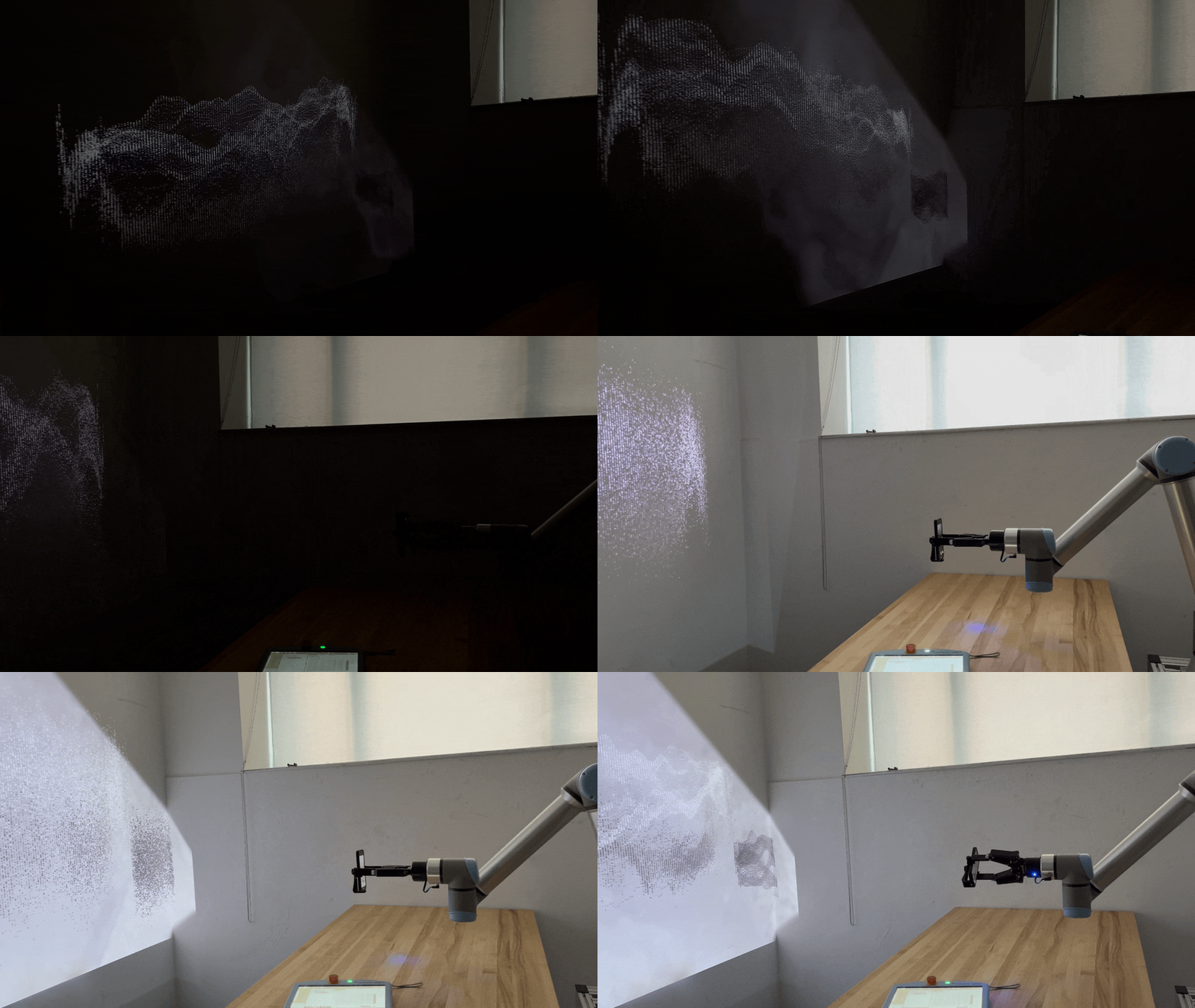
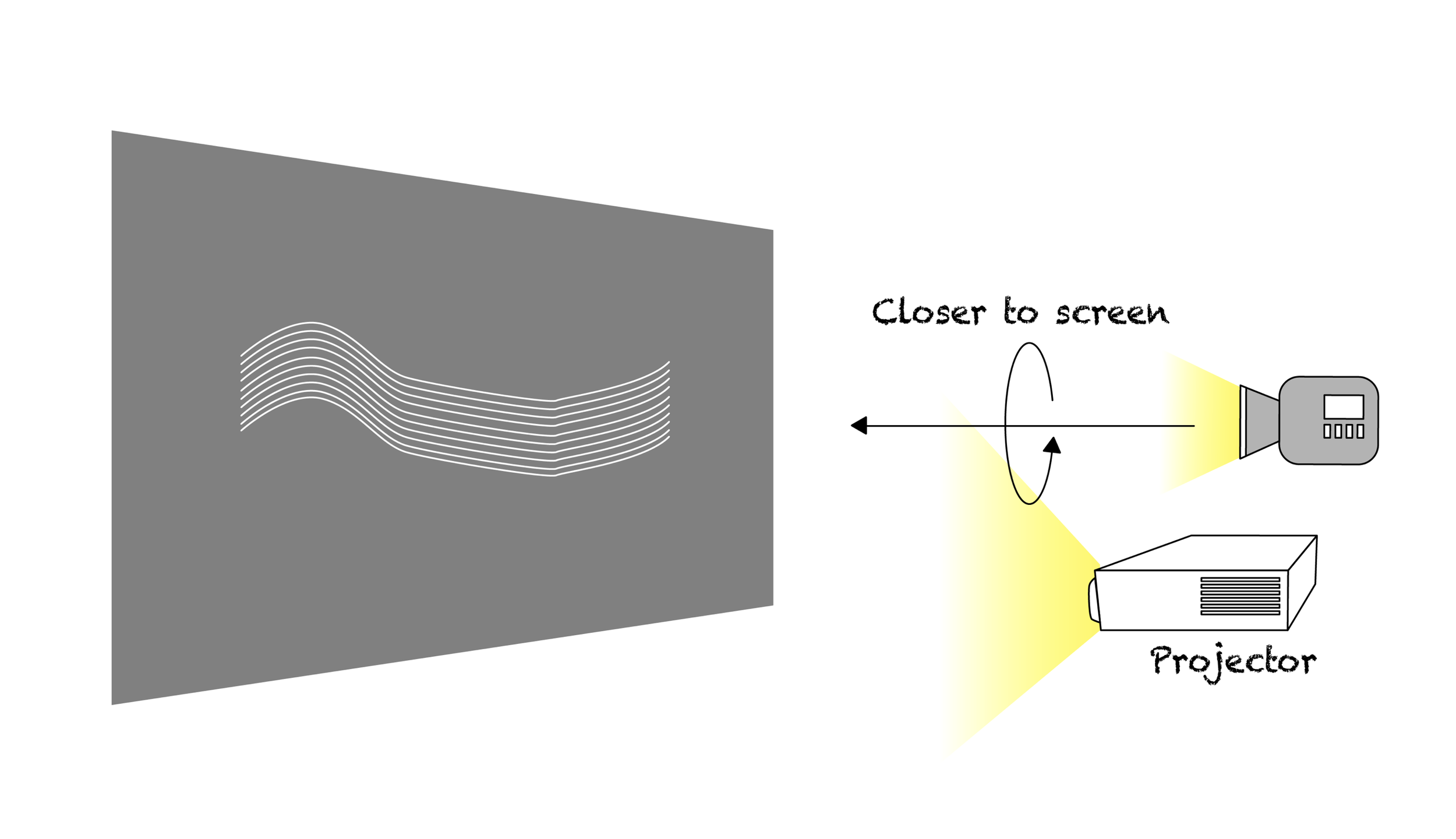
The scene uses rotational camera movement programmed in Maya to create a dynamic and disorienting visual effect. Using the robotic arm allowed the movement to be executed with greater precision and consistency, making complex camera paths smoother and easier to reproduce.
Scene 4. Hope
Lens Zoom & Camera Adjustment
Concept Development: Light, Brightness & Hope
In moments of deep despair, it is important to look for small sources of hope. These can take many forms - the presence of people we cherish, the dreams and aspirations we hold for the future, or the meaningful memories we carry from the past. Each of these can serve as a source of light, helping to guide us through difficult moments and illuminate the path forward. By recognizing and embracing these sources of hope, we can find comfort, strength, and inspiration even in challenging times.
The scene uses light, brightness, and camera movement to create a visual transition from darkness to hope. The concept transforms an abstract emotion into a simple and recognizable visual message, demonstrating how visual elements can strengthen emotional storytelling and audience connection.
Reflection
Working with a robotic arm introduced a new approach to camera-based content production. Its ability to follow programmed paths with high precision and consistency helped minimize camera shake and achieve movements that can be difficult to reproduce manually.
The project demonstrated how robotic control(new method) can enhance both the quality and efficiency of visual production. By programming specific waypoints, movements, and timing, complex camera sequences could be planned and repeated with greater accuracy. This allowed for smoother transitions, more controlled compositions, and greater flexibility when experimenting with different visual ideas.
Beyond the technical process, the experience highlighted how emerging technology can expand creative possibilities. Combining automated movement with visual storytelling can create distinctive content while improving consistency, reducing production errors, and making complex shots more achievable.